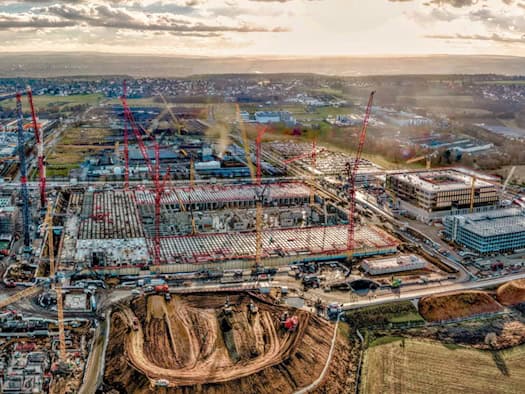
Over 8,000 new jobs, nearly 17,000 additional residents expected: Mayor Dirk Hilbert sees Dresden’s northern district on the verge of tremendous growth. The city plans to keep pace with a transportation plan and the extension of Line 8. However, the rail construction is years away, and much of the plan is beyond the city’s control. | more
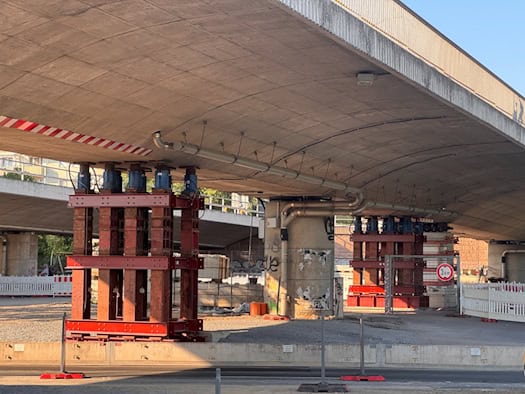
As was the case with the Carolabrücke, the steel wires inside the concrete snapped without anyone noticing. Now Dresden is undertaking an extreme nighttime experiment on the Budapester Straße bridge: With a massive load and a complete closure of Ammonstraße, the city is fighting to save years of valuable time. | more
Nur bis zum 20. September warten in den Marken-Outlets Schwarzheide-Mitte zahlreiche zusätzliche Aktionen. Besonders spannend sind die drei neuen Stores von PUMA, MARC O’POLO und ONLY & SONS. Zum Finale verbindet der verkaufsoffene Sonntag Shopping und Wasserturmfest zu einem erlebnisreichen Familienausflug | more
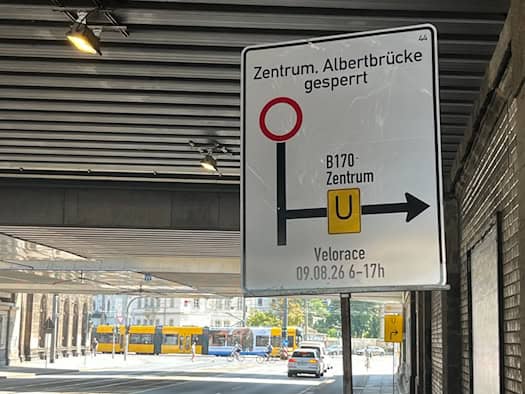
17 kilometers of the most beautiful old town scenery, a four-kilometer-long home stretch right along the Elbe—and a city center that belongs to road bikes for a day. Anyone driving on Sunday should be aware of the detours. | more
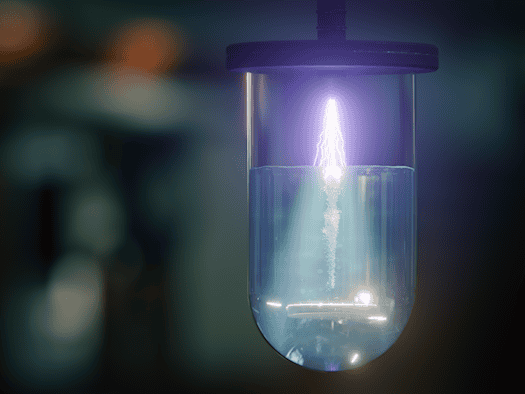
PFAS are considered one of the greatest environmental problems of our time. Researchers at the Helmholtz Center Dresden-Rossendorf have now developed two methods for breaking down these "forever chemicals" in the laboratory. | more
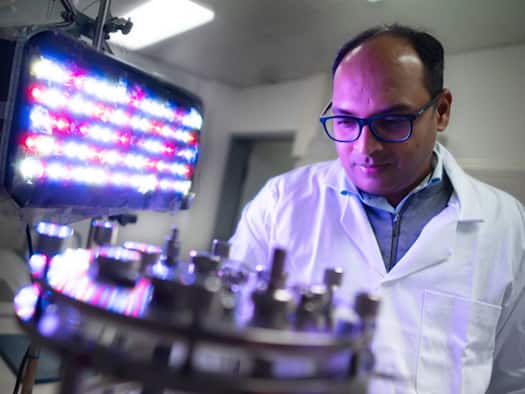
Bioactive materials could be used in the future in medicine, environmental technology, or industry. With a new project, the University of Leipzig is further expanding its research in this promising field and aims to bring scientific ideas into practice more quickly. | more
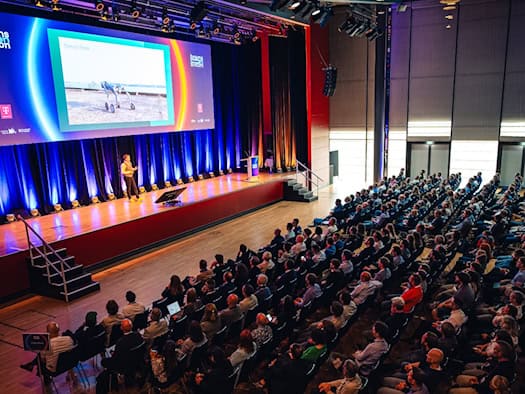
Am 14. und 15. September 2026 wird Dresden erneut zum Treffpunkt für angewandte Künstliche Intelligenz. Bei der Brains on Silicon 2026 im ICD Dresden sprechen Expertinnen und Experten von Unternehmen wie SAP, GitHub und You.com darüber, wie KI aus Pilotprojekten in echte Geschäftsprozesse kommt. | more

The Ore Mountains are home to old uranium mines with contaminated groundwater. Researchers in Dresden have now discovered that bacteria can transform the toxic heavy metal into a previously unknown, stable form. This could be a potential solution for remediating contaminated soil and water. | more
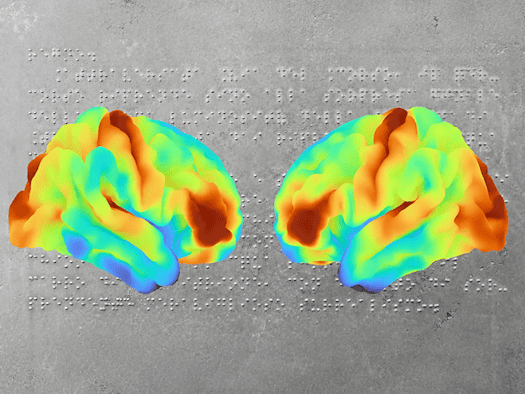
Even people who have never seen an image still develop a powerful brain – just not in the way we thought. Researchers from Leipzig and Krakow have discovered why the visual cortex appears thicker in people born blind. The answer lies not in impaired cell turnover, but in a layer of fat called myelin. | more
Medizin, die man anfassen kann – die interaktive Ausstellung „Medizin der Zukunft“ macht im TGZ Bautzen Station und lädt alle Neugierigen ein. Von Organzüchtung bis zur Blicksteuerung: Hier wird Zukunft nicht nur erklärt, sondern hautnah erlebbar. | more
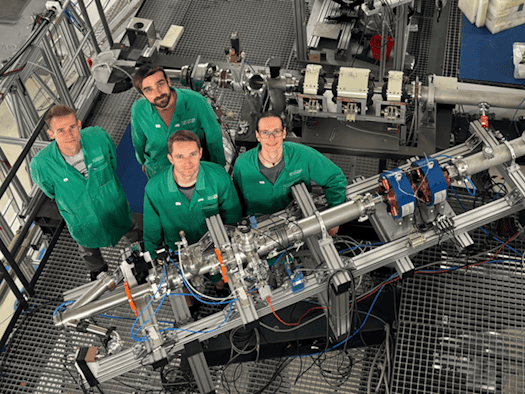
Everything around us is made up of hydrogen and helium, which were formed in the first few minutes after the Big Bang. A new experimental facility is now beginning operations at TU Dresden to study precisely this early phase of the universe in the laboratory. | more
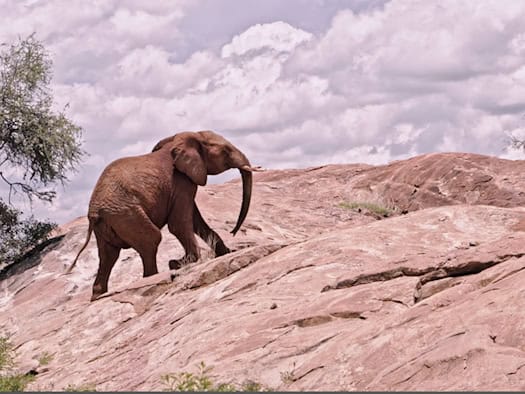
How did Hannibal manage to cross the Alps with 37 war elephants? A new computational model provides strong evidence to answer this 2,200-year-old question. | more
Schon wieder zu viel gegessen oder eine wichtige Aufgabe aufgeschoben? Oft reagieren wir auf solche Verhaltensweisen mit Selbstkritik. Doch damit bekämpfen wir meist nur das sichtbare Symptom – und übersehen, was wir in diesem Moment wirklich brauchen. | more
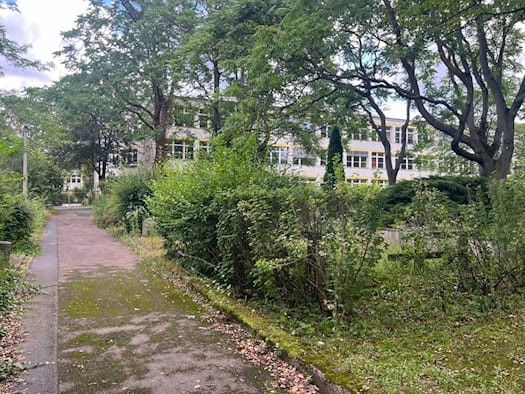
After several years of relocation and a planning and renovation odyssey lasting more than 20 years, construction of the new Bertolt Brecht High School in Dresden-Johannstadt is finally underway. Dresden is investing approximately 62.8 million euros in a climate-neutral school campus that will serve as the foundation for a growing range of international educational programs. | more
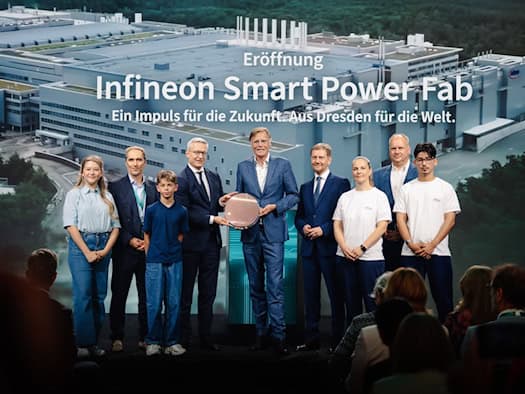
Five billion euros, 1,000 new jobs, and the title of “the world’s largest factory of its kind” - on Thursday, Infineon opened its Smart Power Fab in Dresden, months ahead of schedule. The products that will roll off the assembly line here in the future are set to be used in AI data centers, wind turbines, and electric cars. | more
Dresden erwartet 1.500 KI-Fachleute: Bei der Brains on Silicon geht es um Umsetzung statt Theorie. Zwei-Tages-Tickets gibt es mit 60 Euro Rabatt nur noch heute. | more
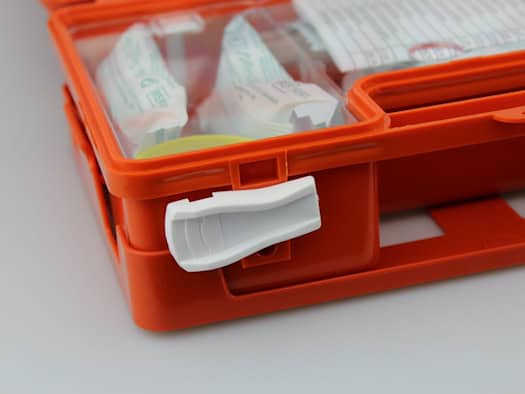
When wounds keep getting infected and antibiotics no longer work, the situation becomes dangerous. Researchers in Leipzig are now turning to an unusual combination: silver particles, dyes, and light. The results point to new possibilities for wound care in the future. | more
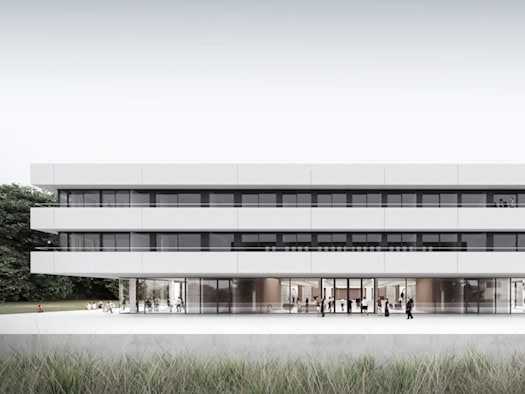
A new research building for digital sciences is being constructed at TU Dresden. In the future, up to 600 people are expected to work there on topics such as artificial intelligence and high-performance computing. The EU and the Free State of Saxony are investing 101 million euros. | more
Gute Nachrichten tun gut. In unserem freitäglichen Good Newsletter bündeln wir die Geschichten, die Mut machen, inspirieren und zeigen, was in Sachsen vorangeht. Jetzt abonnieren und positive Nachrichten direkt ins Postfach bekommen. | more
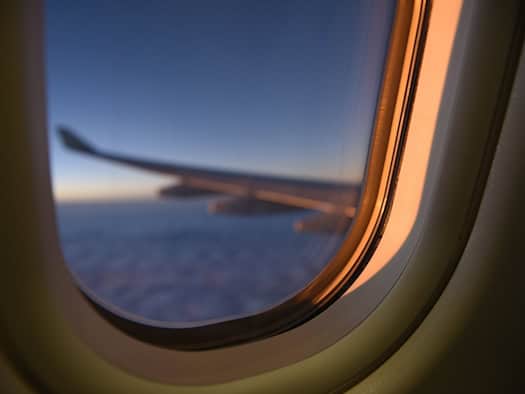
Electric aircraft need more than just new propulsion systems. Researchers at Chemnitz University of Technology are working on a more efficient power supply system designed to make the flights of the future possible. | more
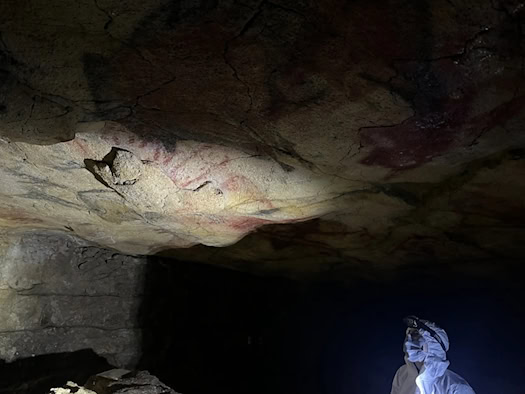
These are traces in the stone that are thousands of years old. Researchers at the Max Planck Institute for Evolutionary Anthropology in Leipzig have, for the first time, extracted human DNA directly from cave walls. The discovery could make it possible to study prehistory without any excavations at all. | more
In jedem Verein, in jeder Straße, in jedem Treppenhaus gibt es diesen einen Menschen, der einfach da ist – ohne Bezahlung, ohne Applaus, oft ohne ein einziges Dankeschön. DIE SACHSEN NEWS startet eine neue Serie und sucht genau diese Menschen: Sachsens Alltagshelden. Und die Chancen stehen gut, dass Sie selbst schon eine oder einen kennen. | more
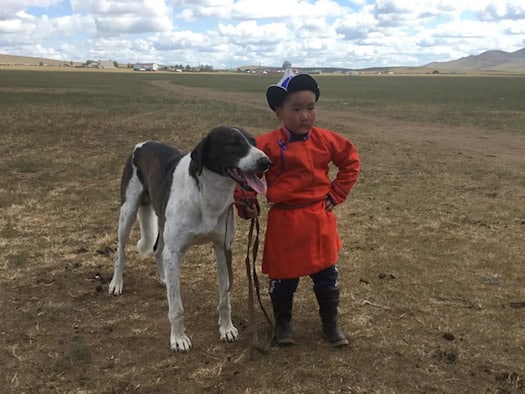
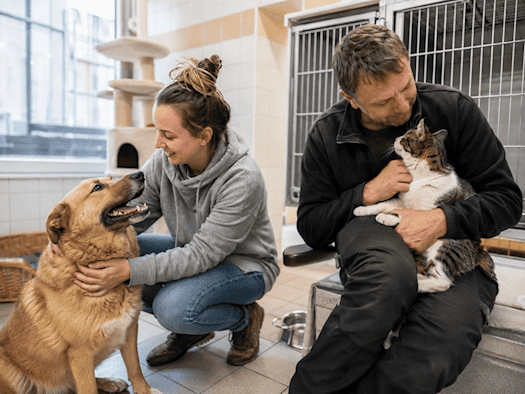
Are dogs really man's best friends all over the world? Researchers from Leipzig and Jena have systematically investigated this question for the first time – in five countries on four continents. Their finding: The bond between humans and dogs is surprisingly universal. | more
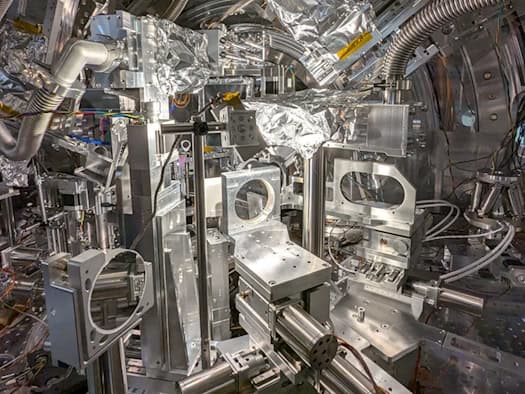
How do electrons behave under conditions similar to those inside a planet? Researchers subjected aluminum to extreme pressure and high temperatures – and discovered that key models in physics are surprisingly inaccurate. | more
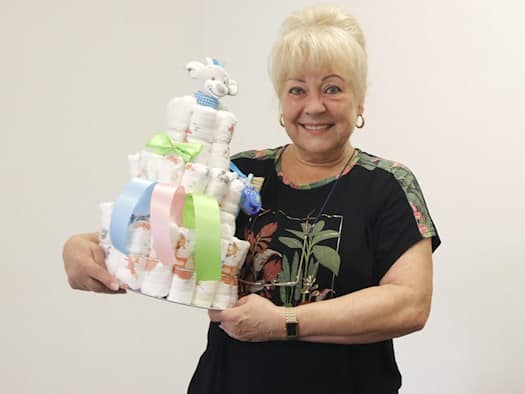
In Dresden-Pieschen fertigt Andrea Rehn im Zentralwerk personalisierte Geschenke für frischgebackene Eltern und deren Familien. Besonders gefragt sind bestickte Windeln mit Geburtsdaten sowie kreative Windeltorten – und das nicht nur online, sondern auch deutschlandweit über DM-Märkte. Jetzt gibt es 10 Prozent Rabatt im Shop. | more
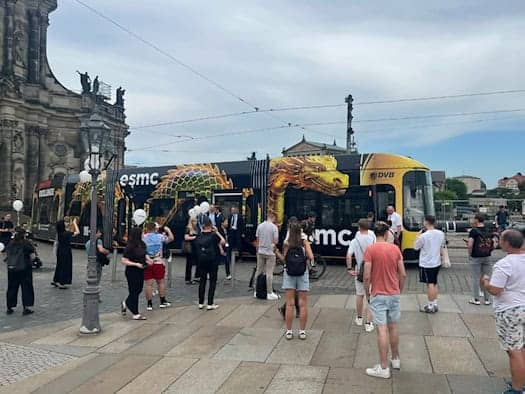
A tram featuring the design of chip manufacturer ESMC is now running through Dresden. However, it will likely be years before the tram actually reaches the factory in the north. | more
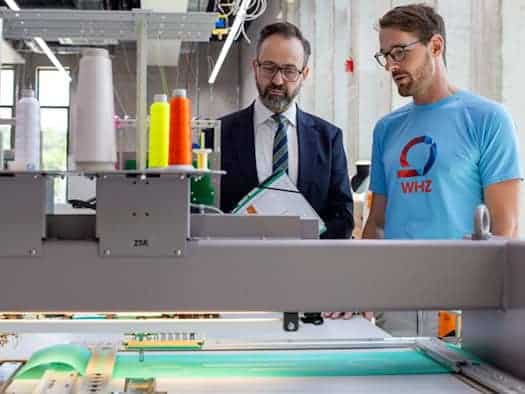
The West Saxon University of Applied Sciences has opened its new technical center in Zwickau. Among other things, sustainable textiles are to be developed in the university’s largest research building in the future. Which materials will be used for this purpose? | more
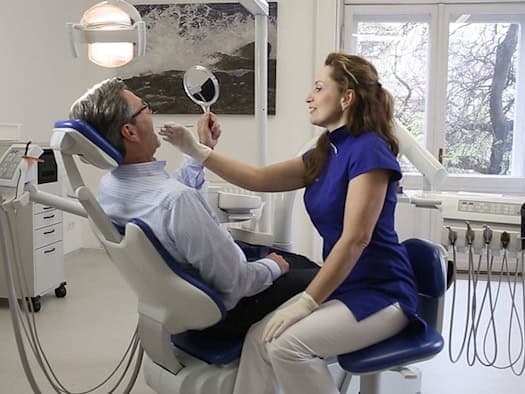
Zahnbehandlungen können in Deutschland schnell zur finanziellen Belastung werden. Besonders bei Implantaten, Kronen, Brücken oder umfangreichem Zahnersatz liegen die Kosten häufig im vierstelligen Bereich. Viele Patienten stehen dann vor einer schwierigen Entscheidung: Behandlung durchführen lassen und hohe Eigenanteile zahlen – oder den Eingriff aufschieben, obwohl er medizinisch sinnvoll wäre. | more
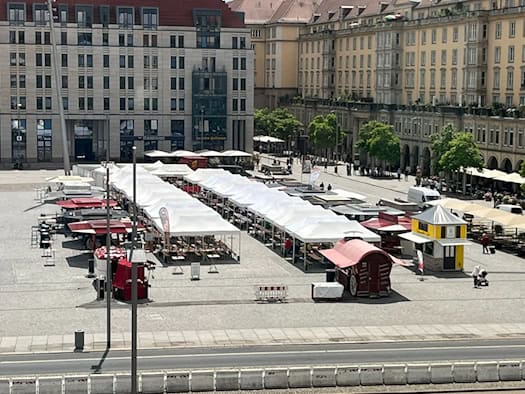
The first weekend was completely rained out, but now the tide is turning: a real heat wave with temperatures over 33 degrees is heading toward Dresden. For the brand-new wine market on the Altmarkt, this is an absolutely dream scenario, just in time for the second week. Organizer Joseph Nieke takes stock of the situation so far, despite the chaotic weather. | more
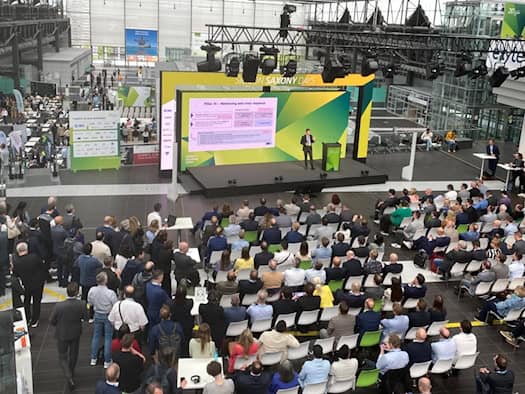
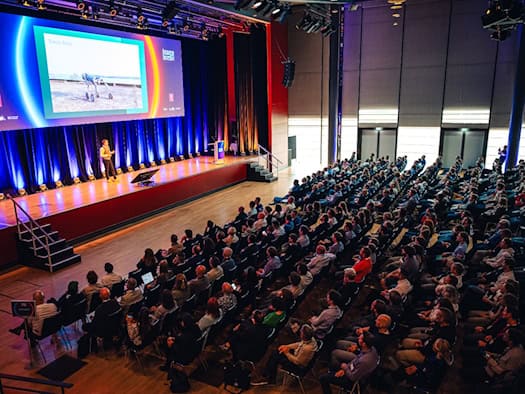
While Germany's economy is stagnating, Saxony's high-tech sector continues to grow. More international guests than ever before are attending the anniversary edition of Silicon Saxony Days - and the number of employees has reached a new milestone. But behind the scenes of this success, the pressure is also mounting. | more
Nur bis zum 20. September warten in den Marken-Outlets Schwarzheide-Mitte zahlreiche zusätzliche Aktionen. Besonders spannend sind die drei neuen Stores von PUMA, MARC O’POLO und ONLY & SONS. Zum Finale verbindet der verkaufsoffene Sonntag Shopping und Wasserturmfest zu einem erlebnisreichen Familienausflug | more

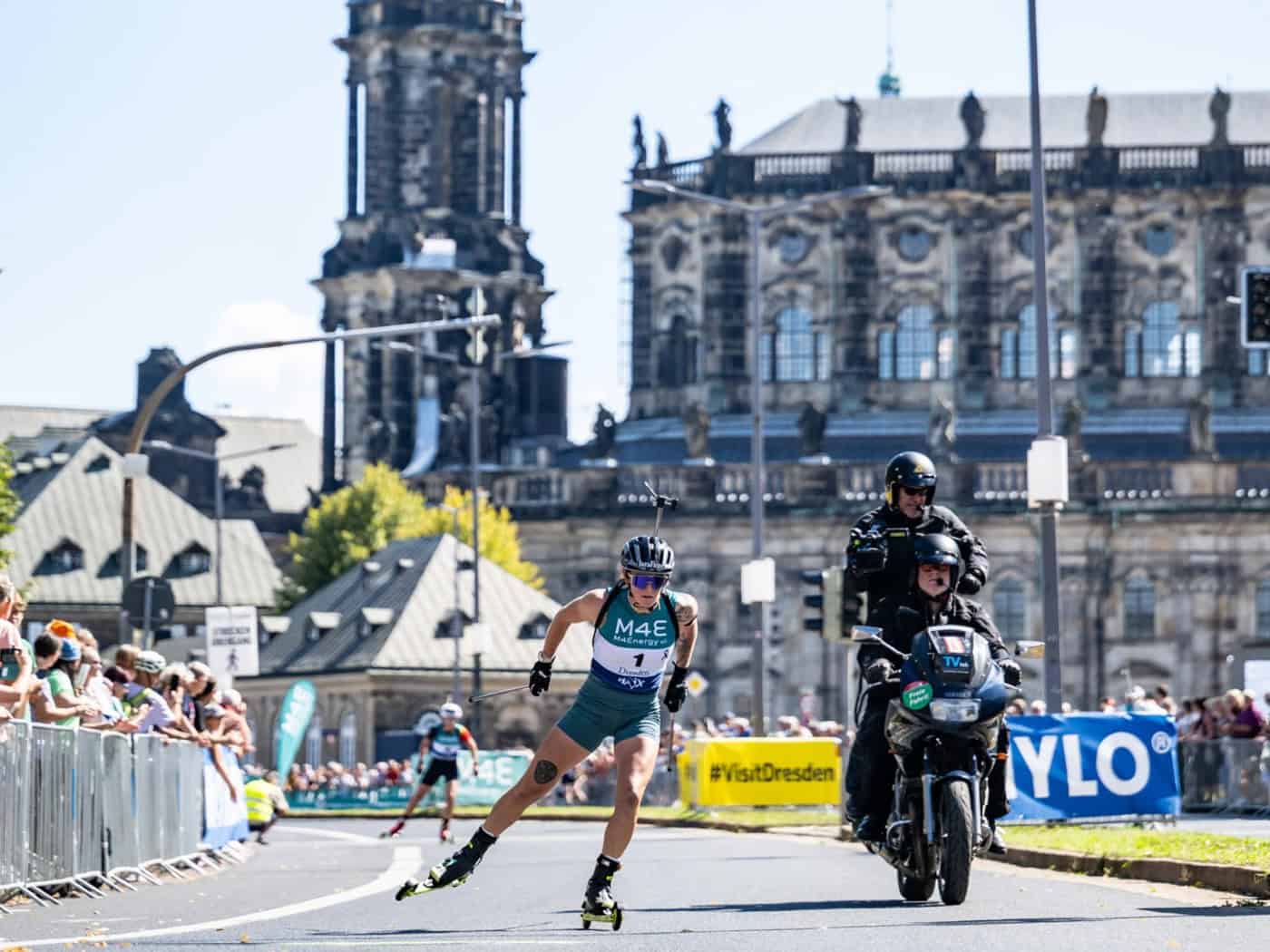
On Wednesday, a sporting highlight will clash with construction-related frustration in Dresden: the 17th REWE Team Challenge. Because the race route happens to run right through major construction sites in the city center, traffic around the main train station is likely to come to a complete standstill. Here’s what you need to know about road closures, buses, and trains. | more
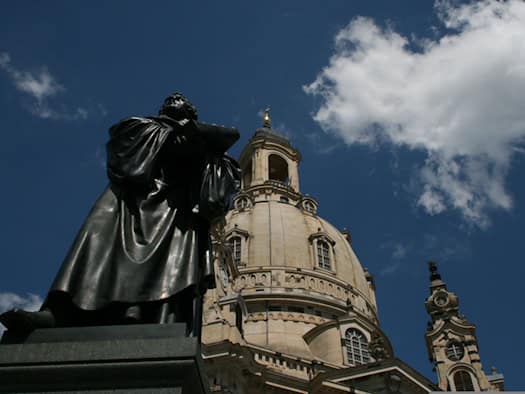
Every third Sunday of the month, Dresden’s Frauenkirche is transformed into a completely different world. On those Sundays, the liturgy is conducted in English and the congregation becomes international. To mark the 20th anniversary of a series that is virtually unique worldwide, we take a look behind the scenes of an event made possible by a historic peace agreement. | more
Am 14. und 15. September 2026 wird Dresden erneut zum Treffpunkt für angewandte Künstliche Intelligenz. Bei der Brains on Silicon 2026 im ICD Dresden sprechen Expertinnen und Experten von Unternehmen wie SAP, GitHub und You.com darüber, wie KI aus Pilotprojekten in echte Geschäftsprozesse kommt. | more

A black rock from the bottom of the Pacific Ocean is full of cosmic mysteries. Researchers at the HZDR in Dresden have found radioactive atoms from space within it—and thereby determined the age of an ancient event: The last rare cosmic spectacle in our galactic neighborhood occurred at least 100 million years ago. | more